Showing posts with label waders. Show all posts

Wednesday, 2 May 2012

Black-winged Stilt - First record for the Isle of May


On the 30th April I'd just settled down for a late lunch when Mike Harris dashed in shouting he'd seen a Black-winged Stilt at Horse Hole. I dropped my Sandwich and ran to the other end of the island. Unfortunately the bird had gone. I proceeded to search all other water bodies on the island with Mark.

The last place to search was the South Plateau where there are two small pools. As we climbed the slope Mark spotted the bird at the back of the pool. We were delighted. It was a very unlikely vagrant first for the island.

The bird is an elegant wader. Black above and white below with a black cap and a needle thin mid length. It's most defining feature is the long pink legs.

Black-winged Stilts are resident in the Mediterranean with a few breeders in creeping up to northern France. They are a rare visitor to the south coast of Britain with only eight previous records for Scotland. The last time this species was seen  was in the Outer Hebrides in July 1990.

We released the news. The bird was twitched by just a couple of mainland birders but hopefully more visitors will be able to enjoy it if it stays.


 Mikes field notes!

There was also a Nightingale present on the island. This is another very rare bird for Scotland. David and I managed to photograph it to help identify from it's very close relative, Thrush Nightingale.


Nightingale
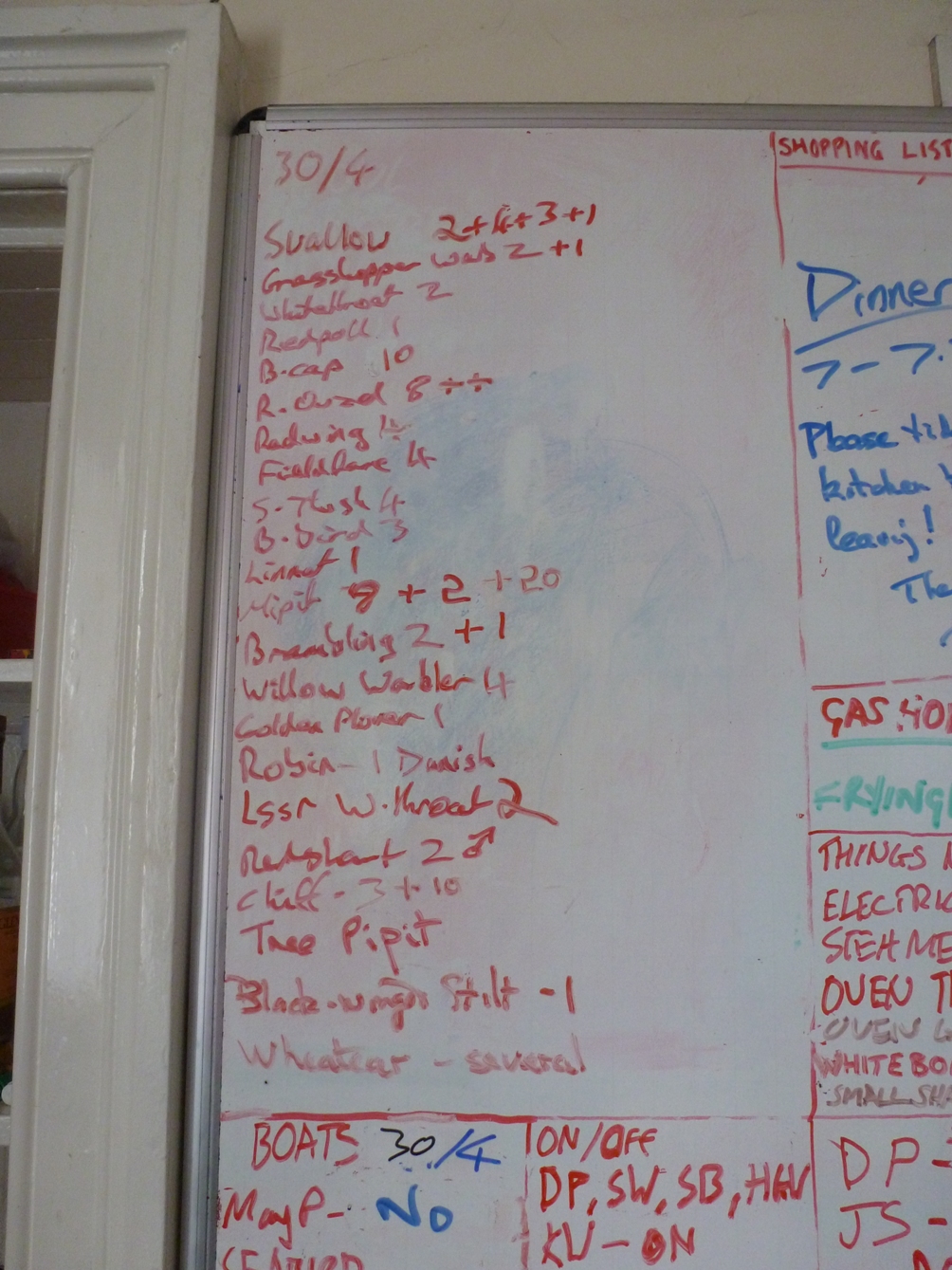

The board on Monday.

Monday, 29 August 2011

Waders Count


Turnstones


Purple sandpipers


At this time of year the seabird monitoring has finished but there are still birds to count and this time its waders. Now the island doesn't look like wader country as they usually have very long bills for sticking in mud and we have lots of rock. But actually one of the many reasons while the Isle of May is legally protected for its wildlife are because 2 types of waders gather after the breeding season in important numbers. They are the turnstone and the purple sandpiper. Both actually prefer rocky ground and are specialised at picking small snails and shrimps from the seaweed and under rocks. So from July to September we try to do a number of counts to find out how many of these birds there are . The Isle of may has many rocky inlets and gullys so it takes a coordinated count from between 2-3 people to cover all of the north, east and south sides. And it is an incredibly intensive 2-3 hours where you are totally focused on what you see. As usual there is always lots to see:
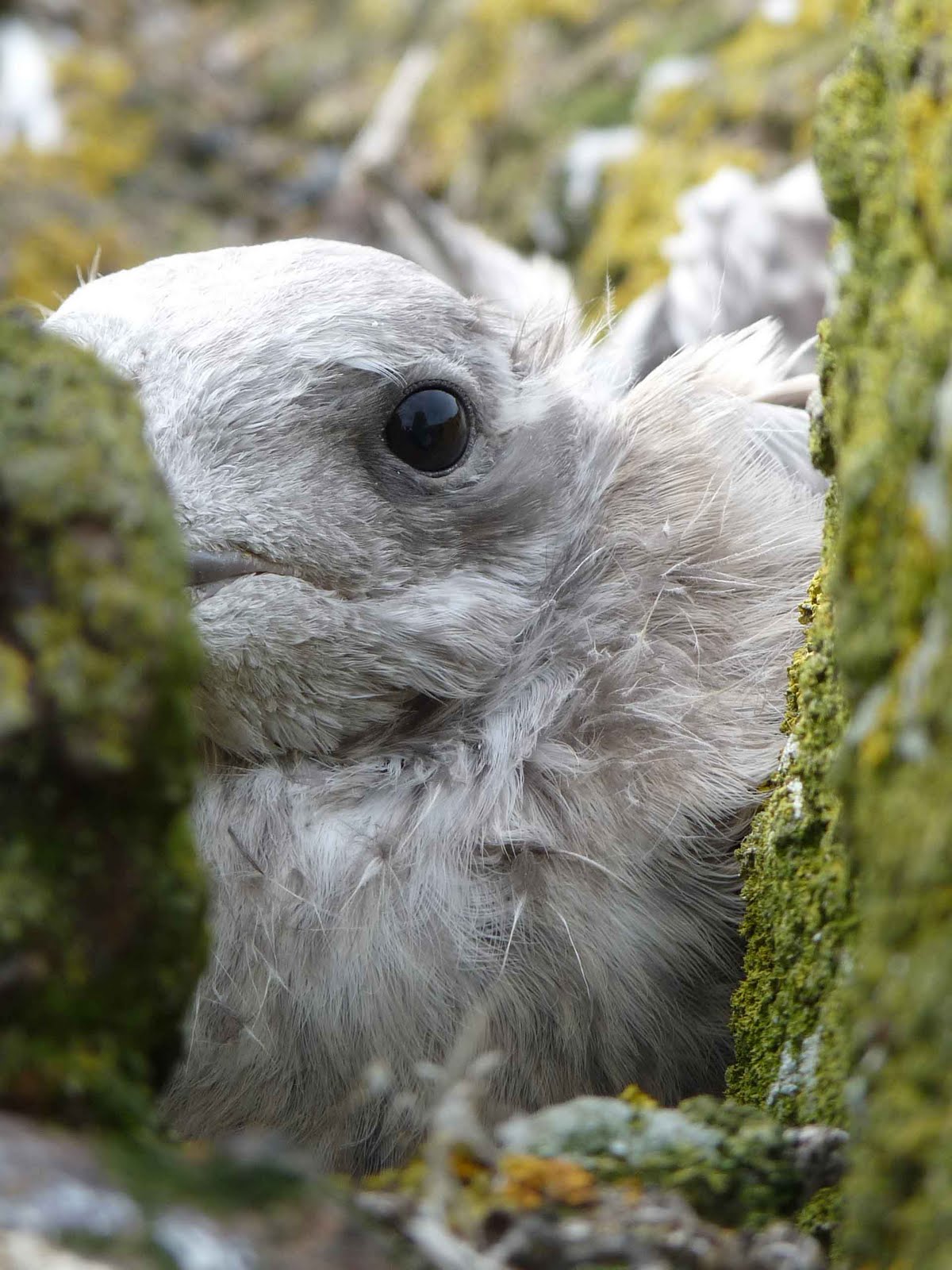
You might find a gull chick eyeing you up.


You can enjoy the poo art from the kittiwake roost.


And marvel at the way the wreck of the Island has been broken down by the sea and pushed up on the rocks so that it is now just a scattered few lumps of metal.


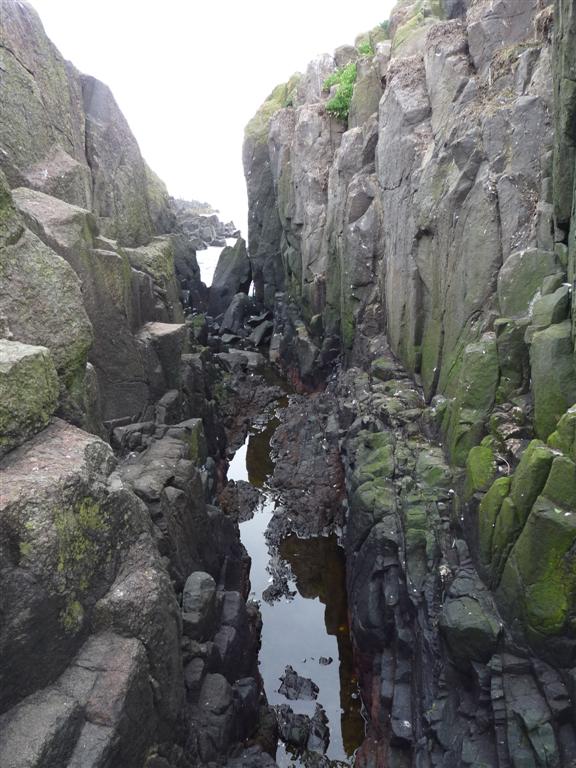
And you get to explore lots o dark gullys where people don't normally go.


At the end of the last count we managed to find 5 different species of wader and nearly 200 birds...not bad for a lump of rock.